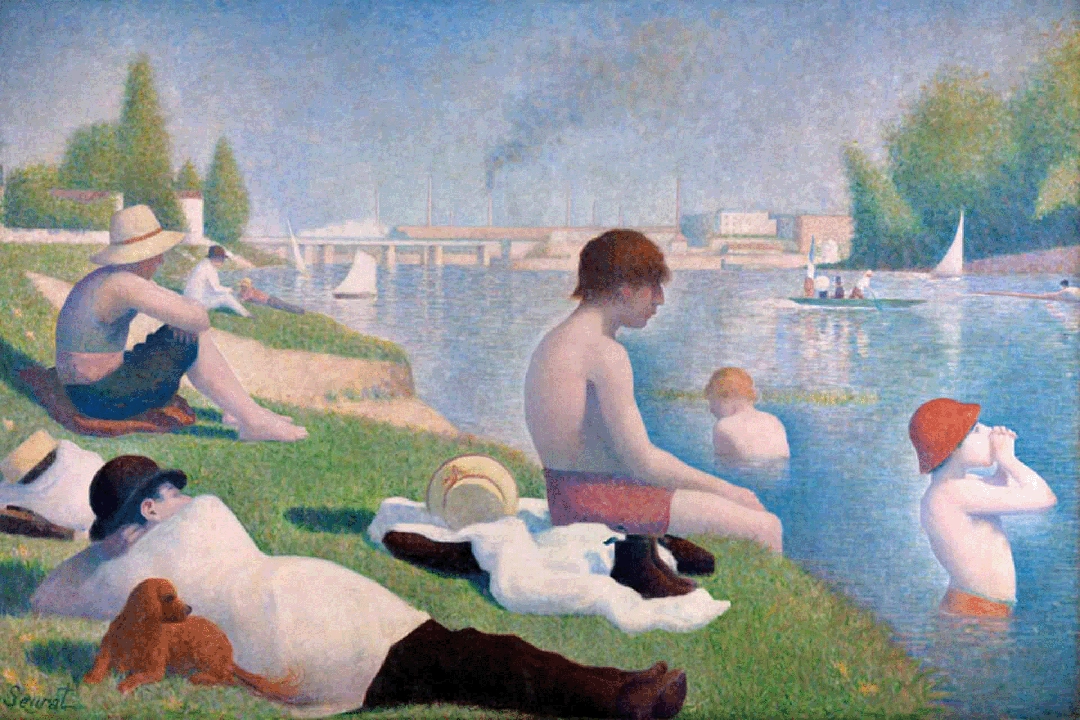
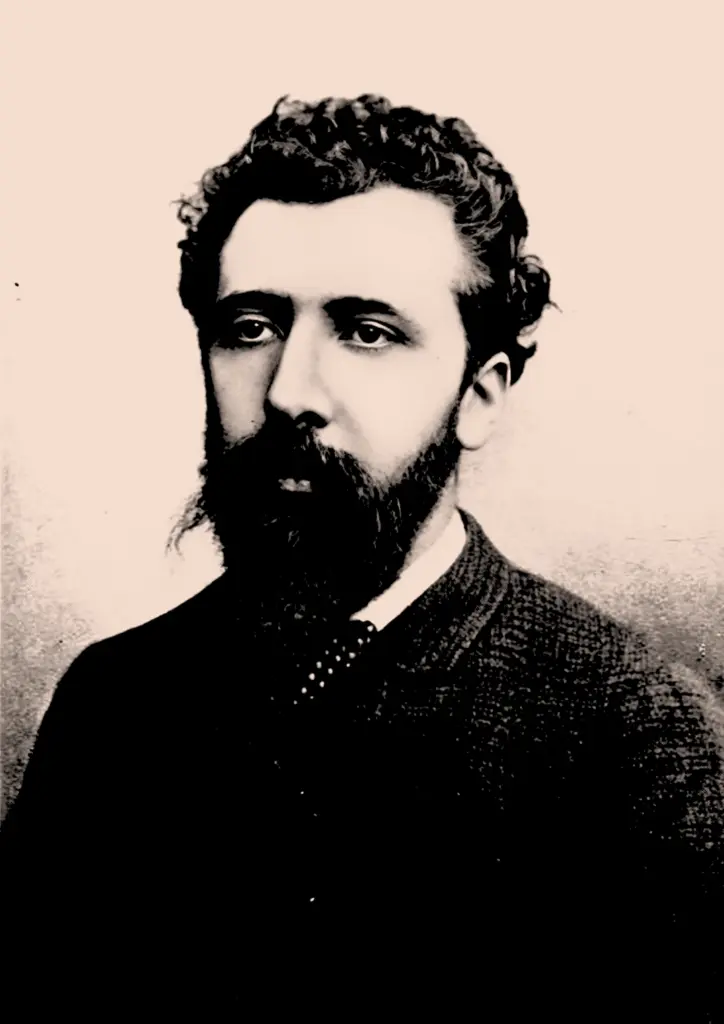
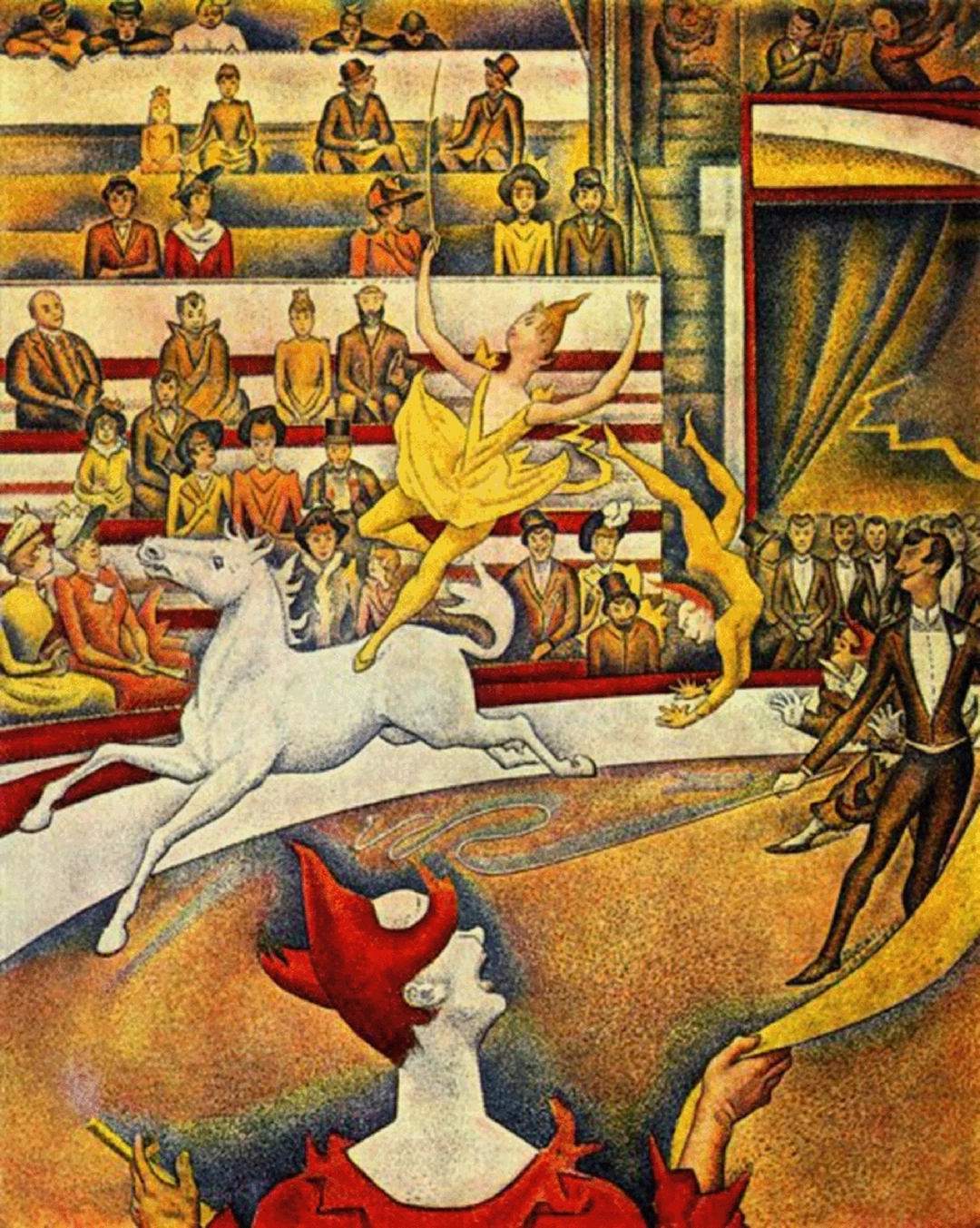
In the effervescent art world of late-19th-century Paris, Seurat believed that art could be governed by principles as precise as those of physics or music.
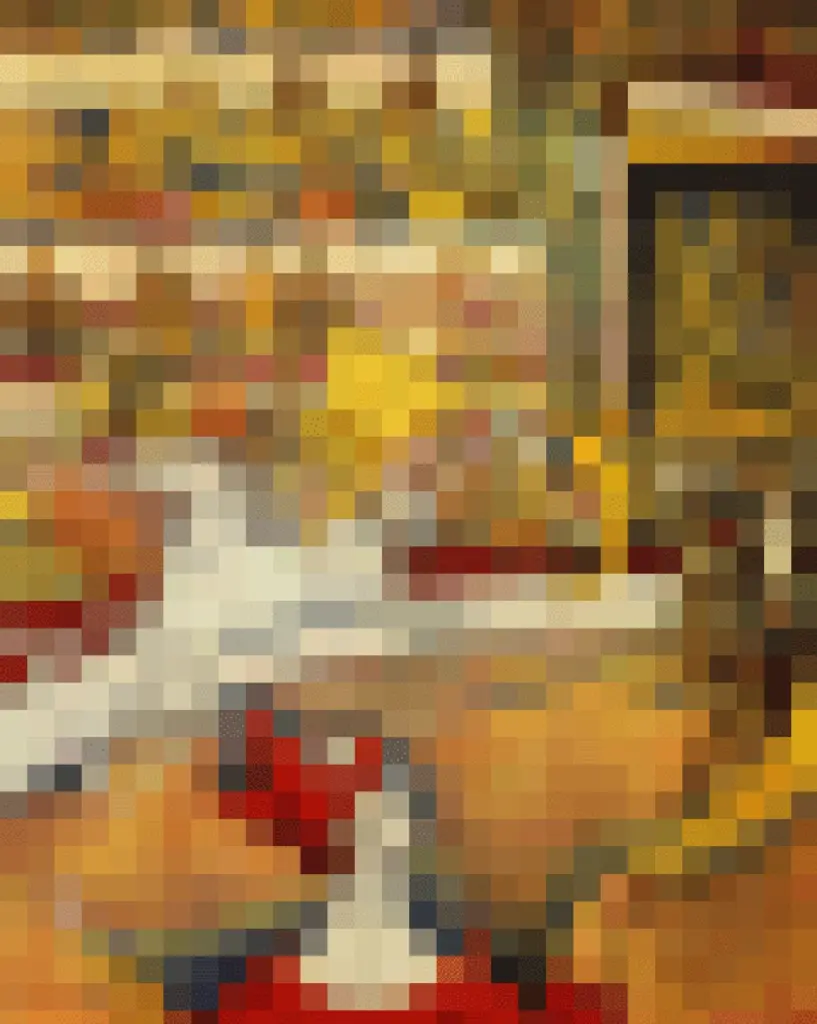
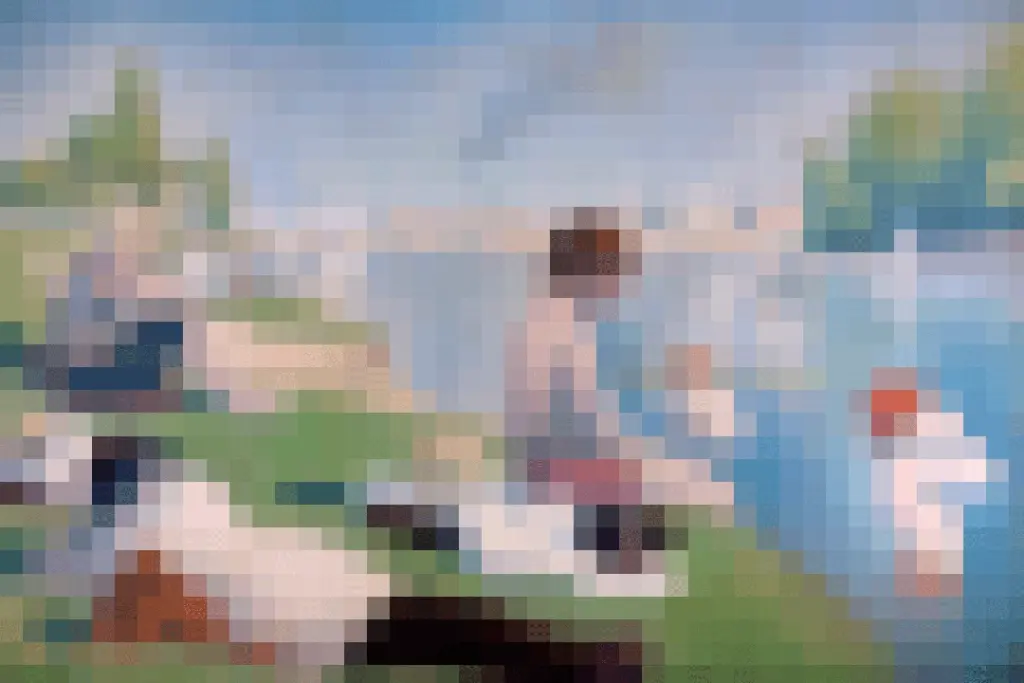
Beauty emerged from the harmony of color, shape, and composition, transforming the Impressionist emphasis on light into a structured exploration of how the human eye perceives visual details. The same basic analog and digital unit: the artist does not mix colors on the palette; it is the viewer’s gaze that translates the assemblage of isolated dots / pixels, from a certain distance, to visualize the final image.Through his pioneering technique of Pointillism, Seurat transformed the Impressionist emphasis on light into a structured exploration of how the human eye perceives visual details.Seurat’s 19th-century Neo-Impressionist Pointillism used dots of pure paint on linen canvas; from the 20th century onward, Pixel Art uses the pixel of light on screens.
Over a century later, the conceptual connection between these two movements—Pointillism and Pixel Art—is remarkable.
Four major museums house the largest collections of Seurat’s work. On a future visit to these cities, how about checking out his art up close?
Metropolitan Museum of Art, Nova York
Musée d’Orsay, Paris
The National Gallery, Londres
Kröller-Müller Museum, Otterlo